Materials Matter!
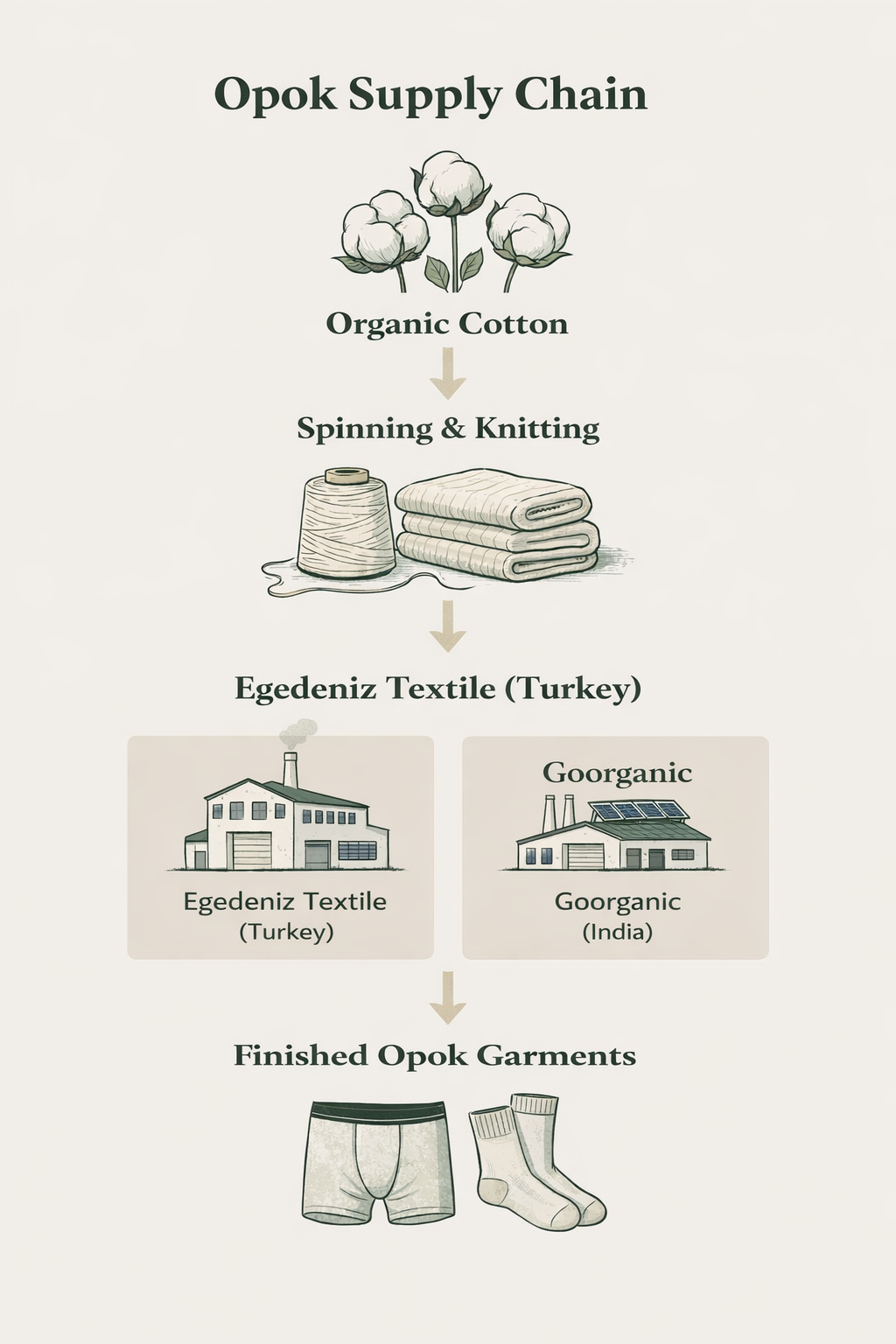
Choosing organic cotton over polyester is a critical decision for long-term health. Polyester is a petroleum-based fabric often treated with harmful chemicals like phthalates and formaldehyde. These substances are known to disrupt hormones, irritate skin, and may contribute to reproductive or endocrine issues. Organic cotton, on the other hand, is grown without toxic pesticides and processed without harsh chemicals. It is safer for the skin, more breathable, and reduces exposure to environmental toxins. For those prioritizing health and wellness, organic cotton is the clear, science-backed choice.
Company Transparency
Supply Chain Transparency & Sustainability
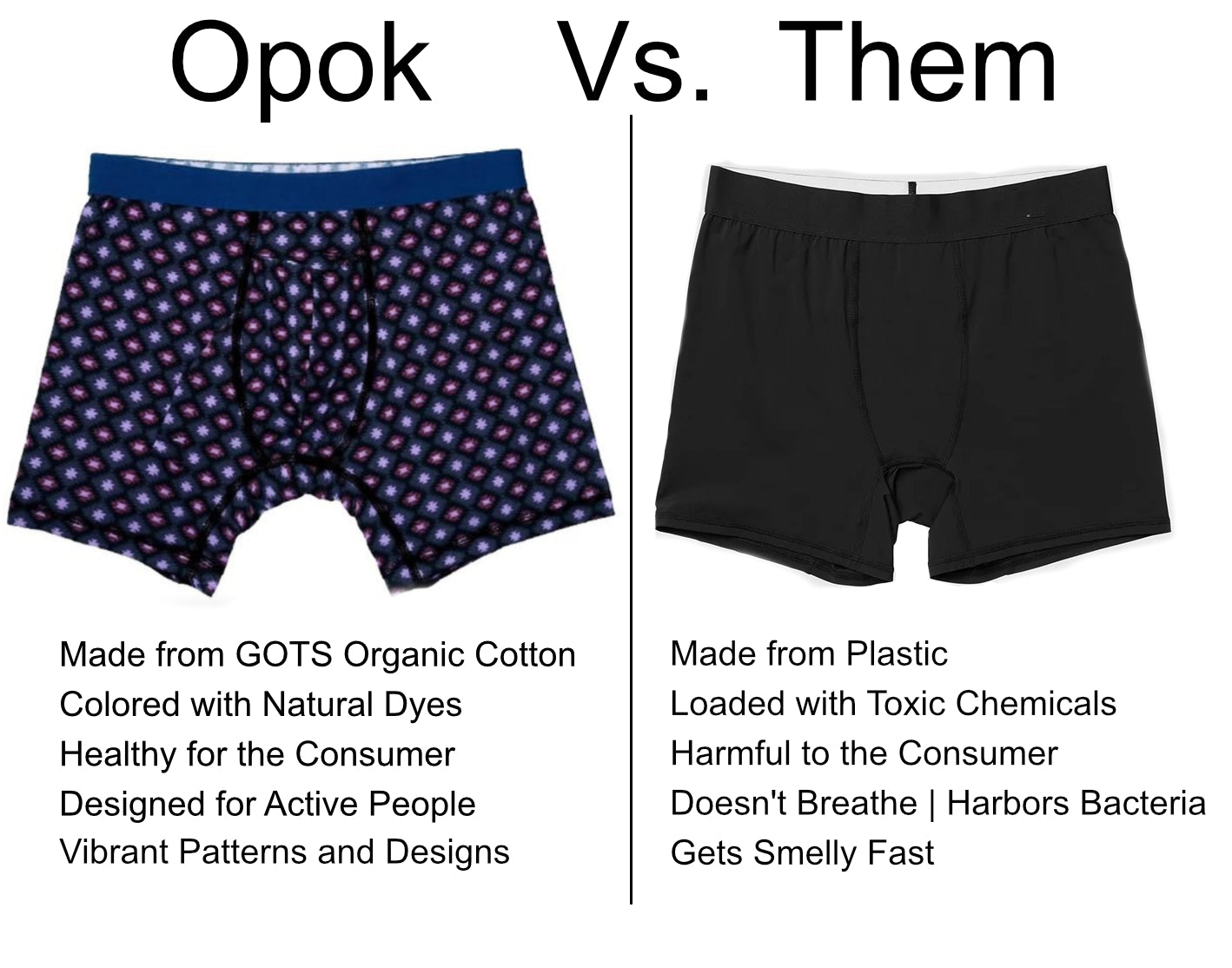
Opok garments are produced with Tier 1 manufacturing partners in Turkey and India, regions with long histories of organic cotton textile production.
At Opok, we believe clothing should be safe for your body, fair to the people who make it, and responsible to the planet.
Our products are made primarily from organic cotton and produced with manufacturing partners that prioritize ethical working conditions and responsible production.
Transparency is an important part of building trust and improving the clothing industry. This page outlines how Opok garments are made, how our supply chain works, and the standards we expect from our partners.
Our Supply Chain
Every Opok garment moves through several stages before reaching you.
Organic cotton farming
↓
Spinning and knitting fabric
↓
Dyeing and finishing
↓
Cut and sew garment production
↓
Finished Opok garments
We currently maintain full traceability of our Tier 1 garment manufacturing partners and continue working to expand visibility deeper into the supply chain.
Manufacturing Partners
Opok works with two Tier 1 garment manufacturing partners that specialize in organic cotton textiles and garment production.
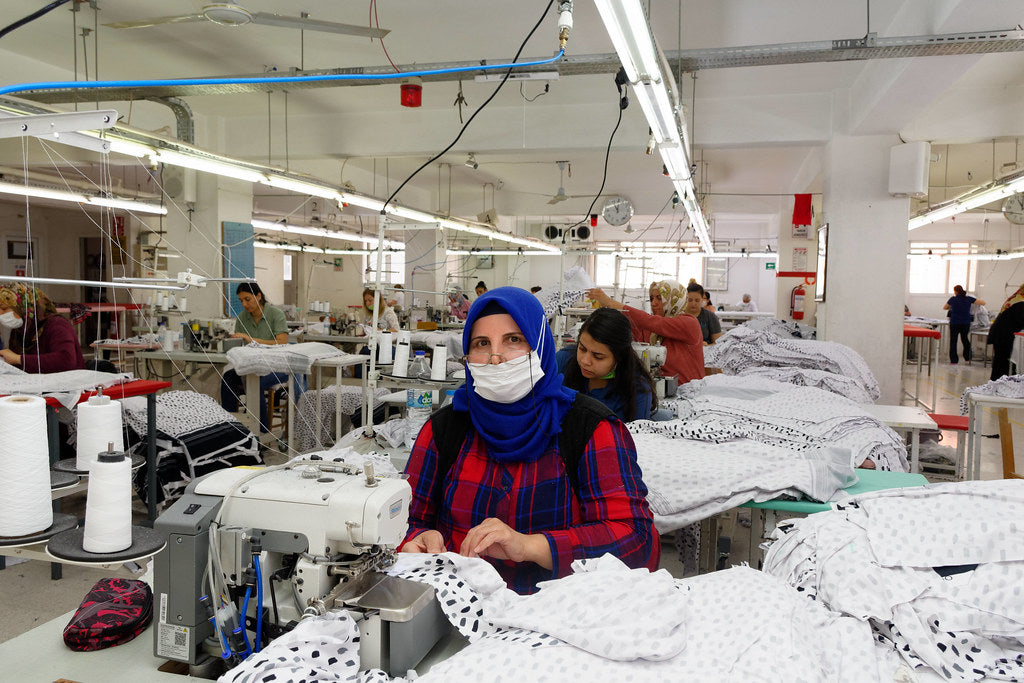
Turkey Manufacturing Partner
Izmir Region, Turkey
This facility employs an estimated ~200 workers and produces organic cotton garments for sustainable clothing brands. The factory supports multiple stages of production including fabric knitting, dyeing, finishing, and garment manufacturing.
The facility has implemented several environmental initiatives to help reduce the impact of textile production. At least 40% of the facility’s energy is generated from on-site solar panels, producing roughly 206.7 MWh of renewable electricity each year. The company also supports water stewardship initiatives and drip irrigation systems used in regenerative organic cotton farming to help conserve water resources.
While the factory does not currently publish full measurements of CO₂ emissions or total water footprint, these initiatives are designed to reduce the environmental impact of textile production.
The Izmir region has become a global hub for responsible textile production due to its strong organic cotton supply chain and experienced garment workforce.
India Manufacturing Partner
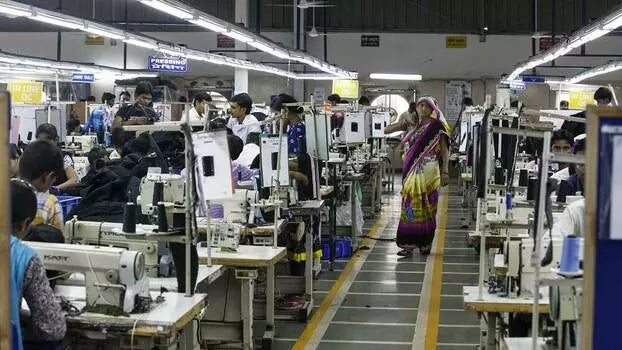
The company employs a smaller team of approximately 40–50 workers and specializes in producing garments from natural fibers. Their facility supports garment cutting, stitching, finishing, and quality control operations.
The company prioritizes the use of organic cotton and other natural fibers, which helps reduce the environmental impact associated with conventional cotton production. Organic cotton farming typically requires less water and avoids the use of synthetic pesticides, helping support healthier soil and farming ecosystems.
While the factory does not currently publish specific data related to CO₂ emissions or water footprint, their focus on organic cotton and natural fiber production contributes to reducing the environmental impact of textile manufacturing compared with conventional synthetic and chemically intensive materials.
India is one of the world’s largest producers of organic cotton and plays an important role in the global organic textile supply chain.
Manufacturing Impact Transparency
Opok is committed to improving transparency around the environmental impact of clothing manufacturing. While measuring environmental impact across global supply chains is complex, we continue working with our manufacturing partners to better understand and reduce resource use during production.
Carbon Emissions
Textile manufacturing involves energy use during spinning, knitting, dyeing, and garment production. These processes contribute to carbon emissions through electricity consumption, machinery operation, and transportation within the supply chain.
Our manufacturing partners operate in regions where textile production infrastructure is well established, allowing many production stages to occur close together. This reduces transportation distances between facilities and can help lower overall emissions.
As we grow, we plan to work with our partners to gather more detailed data related to factory level energy use and associated carbon emissions in order to improve transparency and identify opportunities for reduction.
Water Use in Textile Production
Water is an important resource in textile production, particularly during fabric dyeing and finishing processes. Organic cotton farming also typically uses less water and avoids the heavy pesticide use associated with conventional cotton production.
Our manufacturing partners operate in regions with extensive experience producing organic cotton textiles and use modern dyeing and finishing processes designed to manage water use responsibly.
We continue working with our partners to better understand the water footprint associated with Opok garments and improve visibility into water consumption during production.
Efforts to Reduce Water Use
Reducing water use in textile manufacturing is an important goal across the apparel industry. Many modern textile facilities implement water management practices to reduce environmental impact.
These practices may include:
• Water recycling and treatment systems within textile facilities
• More efficient dyeing technologies designed to reduce water consumption
• Responsible wastewater management before discharge
Opok supports manufacturing partners that continue investing in improved water management practices and responsible textile production.
As our supply chain visibility expands, we plan to share more detailed environmental impact information related to manufacturing processes.
Working Conditions
The people who make our clothing are skilled professionals.
Our manufacturing partners operate under local labor laws and maintain structured working environments designed for safety and stability.
Workers are employed voluntarily and are free to leave employment according to local labor laws.
Factories maintain regulated working hours and safe equipment to protect workers on the production floor.
We maintain direct relationships with our partners and regularly review production practices.
Factory Assessments
Opok maintains direct relationships with our Tier 1 manufacturing partners and regularly reviews working conditions and production standards.
We communicate with factory management throughout the production process and conduct periodic assessments of manufacturing partners to ensure they continue to meet our labor, safety, and ethical standards.
These assessments may include reviewing workplace conditions, labor practices, and environmental policies.
If any issues are identified, we work with our partners to address them and improve conditions.
Our goal is to support long term partnerships that prioritize responsible manufacturing and continuous improvement.
Wages
Garment workers at our partner factories earn wages that meet or exceed local legal minimum wage requirements.
Skilled sewing operators and technicians often earn higher wages depending on experience and specialization.
We believe fair wages and stable employment are essential to responsible clothing production.
Living Wages
We believe the people who make clothing deserve fair compensation for their work.
Our manufacturing partners pay wages that meet or exceed local legal minimum wage requirements, and skilled garment workers such as sewing operators, technicians, and supervisors typically earn higher wages depending on experience and role.
Many workers at our partner factories earn wages above minimum wage levels as a result of skill based compensation and production roles.
While wage standards vary across countries and regions, we work with partners who provide stable employment, regulated working hours, and compensation that reflects the skilled labor involved in garment production.
We support continued progress toward living wage standards across the global apparel industry.
Worker Benefits
Workers at our partner factories may receive additional benefits depending on local regulations and company policies.
These may include regulated working hours, paid holidays, healthcare access through national systems, and safe workplace facilities.
Supporting stable employment is an important part of building a more responsible clothing industry.
Supply Chain Traceability
We currently maintain full traceability of our Tier 1 suppliers, meaning we know exactly where our garments are cut and sewn.
We are actively working to expand visibility across additional tiers of the supply chain, including fabric production and yarn spinning.
Our goal is to continue increasing transparency as Opok grows.
Subcontracting Policy
Opok does not allow unauthorized subcontracting.
Any subcontractor involved in the production of Opok garments must meet the same labor, environmental, and ethical standards required of our primary manufacturing partners.
Factories must receive approval before subcontracting any work related to Opok products.
Supplier Code of Conduct
All Opok manufacturing partners are expected to follow our supplier Code of Conduct.
This code outlines the standards we expect from our partners, including:
Safe working environments
Fair wages and regulated working hours
No forced labor or child labor
No discrimination in hiring or employment
Respect for workers' rights
Suppliers are expected to correct any violations and continuously improve workplace conditions.
Opok reserves the right to terminate relationships with suppliers that fail to meet these standards.
Remediation & Continuous Improvement
If a supplier is found to be in violation of our Code of Conduct, we work with that partner to correct the issue and improve conditions.
Suppliers are expected to take corrective action to address any noncompliance and demonstrate measurable improvement.
If a supplier is unwilling or unable to meet these standards, Opok reserves the right to end the business relationship.
Responsible production requires ongoing accountability, and we are committed to working with partners who share that commitment.
Sustainable Materials
Opok garments are made primarily from GOTS certified organic cotton.
Organic cotton is grown without synthetic pesticides, herbicides, or genetically modified seeds. This reduces environmental impact while supporting healthier soil and farming communities.
Unlike many conventional garments, Opok products try to avoid synthetic fabrics like polyester.
Synthetic fabrics release microplastics during washing and can trap heat and moisture against the skin.
By focusing on natural fibers, we aim to create clothing that is breathable, comfortable, and environmentally responsible.
We also focus on sustainable packaging by using paper tape, recycled cardboard boxes, recycled poly bags and compostable poly bags.
Microplastics and Synthetic Fabrics
Many modern garments are made from synthetic materials such as polyester, nylon, and acrylic. These fabrics are derived from petroleum and can release microscopic plastic fibers when washed.
These microplastics can enter waterways and oceans, contributing to environmental pollution.
Synthetic fabrics can also trap heat and moisture against the skin because they are less breathable than natural fibers.
Opok focuses on natural materials, primarily organic cotton, which helps reduce reliance on synthetic fibers commonly used in conventional clothing.
While some garments may include small amounts of elastane to provide stretch and durability, our goal is to minimize synthetic content wherever possible and prioritize natural fibers.
Continuous Improvement
Transparency and sustainability are ongoing commitments.
As Opok grows, we plan to expand supply chain traceability, share more detailed manufacturing information, and continue improving responsible production standards.
Better clothing begins with better materials and responsible manufacturing.
We are committed to continuing that work.